
What Is Mental Toughness? 8 Ways to Develop a Stronger Mindset
Life can challenge your ability to stay focused, patient, and composed. Setbacks, uncertainty, pressure, disappointment, and unexpected changes are unavoidable parts of life.
Mental toughness is one concept often associated with handling these challenges.
But what exactly does mental toughness mean?
Mental toughness can be understood as the ability to remain focused, adaptable, and persistent when facing difficulty. It does not mean suppressing emotions, never experiencing stress, or refusing to ask for help.
Instead, mental toughness involves developing skills that allow you to respond constructively when circumstances become challenging.
Here are eight ways you can work on developing those skills.
- Set Clear and Realistic Goals
Mental strength becomes easier to practice when you know what you are working toward.
Rather than setting vague goals such as “I want to improve myself,” create specific goals that you can act on.
For example:
- Read for 20 minutes each evening.
- Exercise three times a week.
- Spend 10 minutes planning the next day.
- Practice a relaxation technique before bed.
Clear goals give you something concrete to work toward and measure.
- Focus on What You Can Control
Not everything in life is within your control.
You cannot control every outcome, another person’s behavior, or unexpected circumstances.
You can, however, focus on your preparation, choices, effort, communication, and response.
When facing a difficult situation, ask:
“What is one thing I can do right now?”
This simple question can help turn uncertainty into action.
- Practice Consistency
Mental toughness is often built through repeated behavior rather than occasional bursts of motivation.
Consistency can mean continuing with small positive habits even when you do not feel particularly motivated.
You do not need to make dramatic changes.
Small actions repeated over time can help develop discipline and confidence in your ability to follow through.
- Reframe Setbacks
A setback can feel like proof that you have failed. However, it can also provide useful information.
Instead of asking:
“Why did this happen to me?”
try asking:
“What can I learn from this?”
This does not mean pretending that the setback was positive. It simply creates an opportunity to identify lessons that may help you approach a similar situation differently in the future.
- Develop Emotional Awareness
Mental toughness does not require ignoring emotions.
In fact, understanding your emotions can help you make better decisions.
When you feel frustrated or overwhelmed, identify the emotion and consider what may be causing it.
Once you understand the emotion, you can decide how to respond instead of allowing the emotion to automatically determine your behavior.
- Practice Doing Difficult Things Gradually
Growth often happens outside your usual comfort zone.
Choose manageable challenges that encourage you to practice patience, discipline, or persistence.
For example, you might:
- Start a new skill
- Follow through on a difficult task
- Have a conversation you have been avoiding
- Establish a healthier routine
- Commit to a small personal goal
The key is gradual progress rather than overwhelming yourself.
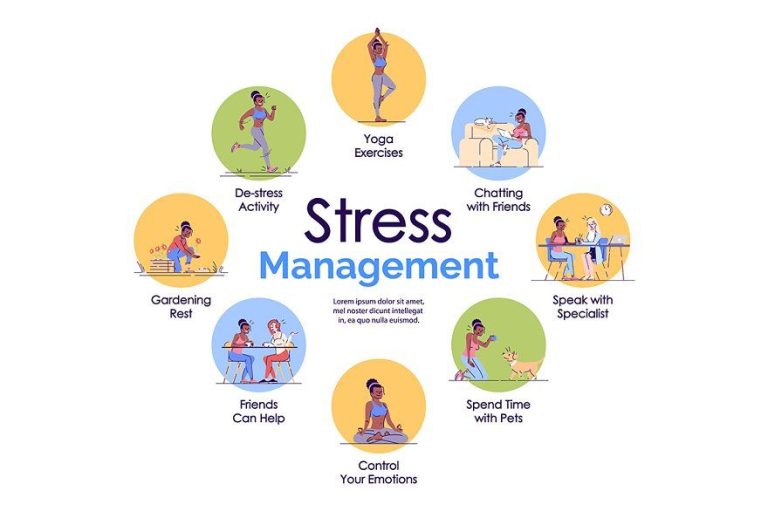
- Build a Support Network
Being mentally strong does not mean handling everything alone.
Healthy relationships can provide encouragement, perspective, accountability, and emotional support.
Make time for people you trust and be willing to communicate when you are struggling.
Knowing when to seek support is compatible with resilience and personal strength.
- Take Care of Your Physical Well-Being
Your mental and physical well-being are closely connected.
Regular movement, sufficient sleep, nutritious food, relaxation, and time for recovery can all support your ability to handle everyday demands.
A strong mindset is difficult to maintain when you consistently ignore your basic physical needs.
Mental Toughness Is a Process
Mental toughness is not about becoming emotionless or invulnerable.
It is about developing practical skills that help you respond to challenges with greater awareness, persistence, flexibility, and self-control.
Start with one area.
Set a small goal. Practice responding differently to setbacks. Build healthier routines. Ask for support when you need it.
Over time, these behaviors can contribute to a stronger and more resilient approach to life’s challenges.
If persistent stress, anxiety, or emotional difficulties are affecting your daily life, consider speaking with a qualified mental health professional.