

How to Build Emotional Resilience: 7 Practical Skills for Handling Life’s Challenges
Life rarely goes exactly as planned. Unexpected changes, difficult relationships, work pressure, personal setbacks, and everyday responsibilities can all create emotional stress. While it is impossible to eliminate every challenge, it is possible to develop skills that help you respond to those challenges in healthier and more constructive ways.
One of those skills is emotional resilience.
Emotional resilience is the ability to adapt to difficult situations, manage challenging emotions, and continue moving forward when life becomes stressful or uncertain. It does not mean ignoring difficult feelings or pretending that everything is fine. Instead, it involves learning how to acknowledge emotions, recover from setbacks, and make thoughtful choices even during difficult periods.
Here are seven practical skills that can help you build emotional resilience.
- Learn to Recognize Your Emotions
Emotional resilience starts with awareness.
When something stressful happens, take a moment to identify what you are actually feeling. Are you frustrated, disappointed, anxious, angry, overwhelmed, or discouraged?
Putting a name to an emotion can help create some distance between the feeling and your reaction.
Instead of immediately responding to a stressful situation, try asking:
- What am I feeling right now?
- What caused this feeling?
- What do I need at this moment?
- Is my reaction helping me deal with the situation?
Understanding your emotional patterns makes it easier to respond intentionally rather than automatically.
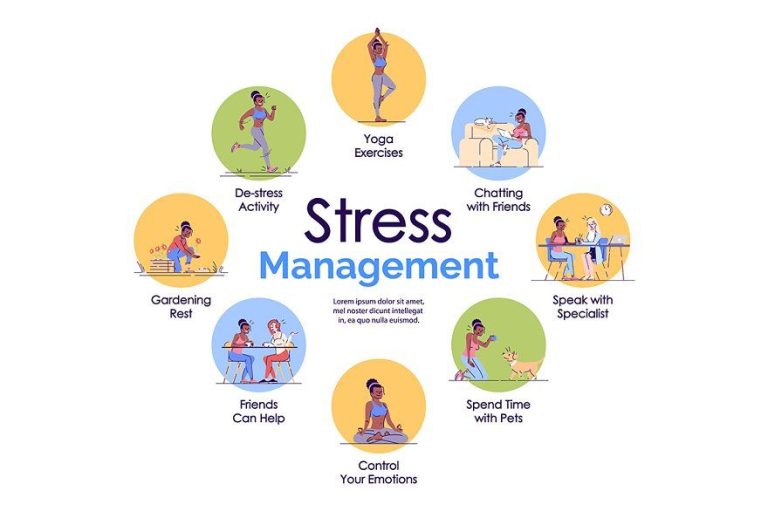
- Practice Healthy Ways of Coping With Stress
Everyone experiences stress, but not every coping strategy is equally helpful.
Healthy coping strategies may include:
- Taking a short walk
- Practicing slow, controlled breathing
- Talking with someone you trust
- Writing down your thoughts
- Taking a temporary break from a stressful situation
- Getting adequate rest
- Spending time doing activities you enjoy
The goal is not to make stress disappear immediately. The goal is to give yourself healthy ways to process and manage it.
- Develop a More Flexible Mindset
Resilient people are not necessarily people who never experience setbacks. They are often better able to adapt when circumstances change.
When something does not go according to plan, consider asking:
“What can I do from here?”
This shifts your attention away from what cannot be changed and toward the choices that are still available.
A flexible mindset does not require positive thinking all the time. It means recognizing the difficulty of a situation while still looking for practical next steps.
- Strengthen Your Support System
Resilience does not have to be built alone.
Trusted friends, family members, mentors, colleagues, or other supportive people can provide perspective and encouragement during difficult situations.
Make an effort to maintain meaningful relationships before you need them. Regular conversations, shared activities, and simple check-ins can help create a stronger support network.
Asking for support is not a sign of weakness. Knowing when you need help is itself an important life skill.
- Practice Self-Care Consistently
Self-care is often associated with relaxation, but it is much broader than that.
Taking care of your physical and emotional needs can help you maintain the resources you need to deal with stressful situations.
Consider building basic habits around:
- Consistent sleep
- Regular physical activity
- Nutritious meals
- Time away from screens
- Relaxation
- Social connection
- Activities that give you a sense of purpose
Small habits practiced consistently can be more sustainable than occasional major changes.
- Learn From Setbacks
A difficult experience does not automatically make you stronger. Reflection is what can turn an experience into an opportunity for learning.
After a setback, consider asking:
- What happened?
- What was within my control?
- What was outside my control?
- What did I learn?
- What could I do differently next time?
This type of reflection can help you identify patterns and develop better strategies for future challenges.
- Give Yourself Time to Recover
Resilience is not about bouncing back instantly.
Some situations take time to process. Give yourself permission to experience difficult emotions without judging yourself for having them.
Recovery can involve rest, reflection, connection, and gradually returning to your normal routines.
The goal is not to become unaffected by difficult experiences. The goal is to develop the ability to move through them while taking care of yourself.
Building Emotional Resilience Takes Practice
Emotional resilience is not a personality trait that you either have or do not have. It can be developed through awareness, healthy coping strategies, supportive relationships, self-care, reflection, and practice.
You do not need to change everything at once.
Start with one skill that feels realistic for your current situation. Over time, small changes can help you become more prepared to handle stress, setbacks, and unexpected changes.
If you are experiencing persistent or overwhelming emotional difficulties, consider reaching out to a qualified mental health professional for appropriate support.